The Importance of Personalized Learning
In today's diverse educational landscape, one size does not fit all when it comes to teaching and learning. Personalized learning acknowledges that each student has unique strengths, weaknesses, learning styles, and interests. By tailoring instruction to meet individual needs, personalized learning can significantly enhance student engagement, motivation, and academic success.
Creating Individualized Learning Plans
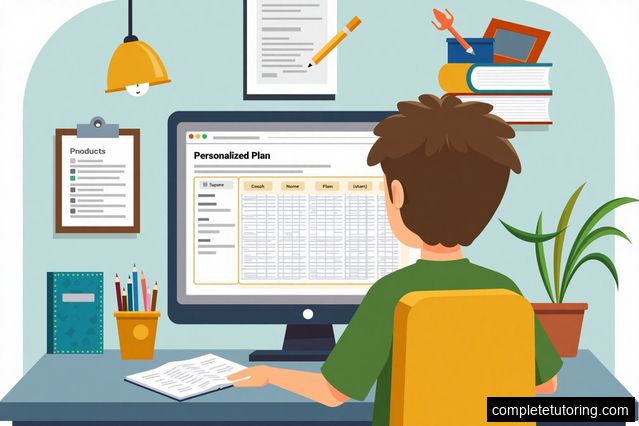
The first step in implementing personalized learning plans is to create individualized learning plans (ILPs) for each student. ILPs outline the goals, objectives, and strategies that will guide the student's learning journey. These plans are developed collaboratively between teachers, students, and parents or guardians, taking into account the student's interests, strengths, and areas for growth. ILPs serve as roadmaps for both students and educators, providing a clear path to success.
Differentiated Instruction and Assessment
Differentiated instruction is a key component of personalized learning plans. Teachers tailor their instruction to address the diverse needs and learning styles of their students. This may involve using a variety of teaching strategies, providing additional resources or supports, and allowing students to choose topics or projects that align with their interests. Differentiated assessment is also crucial in personalized learning. Instead of relying solely on traditional exams, teachers utilize a range of assessments such as projects, portfolios, and presentations to evaluate student progress and understanding.
Leveraging Technology
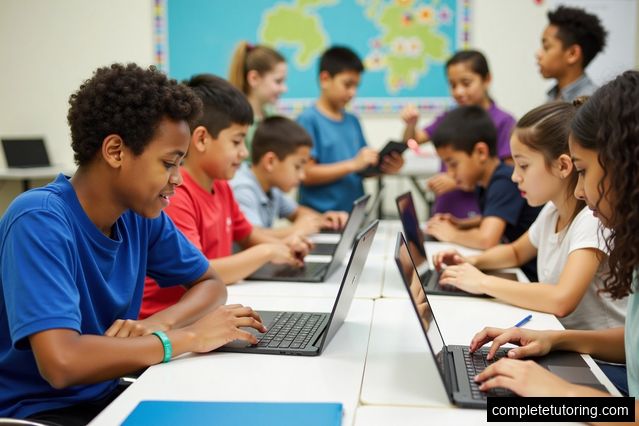
Technology plays a vital role in implementing personalized learning plans. Educational software, online resources, and learning platforms provide students with opportunities for self-paced learning, immediate feedback, and access to a wide range of educational materials. Technology also enables teachers to track student progress, analyze data, and make data-informed instructional decisions. By leveraging technology effectively, personalized learning can be enhanced and scaled to meet the needs of all students.
Building a Supportive Learning Environment
Creating a supportive learning environment is essential for the successful implementation of personalized learning plans. Teachers need to foster a culture of trust, collaboration, and respect where students feel safe to take risks, ask questions, and explore their interests. A positive classroom climate promotes student engagement and motivation, leading to improved learning outcomes. Additionally, involving parents and guardians in the personalized learning process strengthens the home-school partnership and reinforces the importance of personalized learning for student success.
Continuous Monitoring and Adaptation
Implementing personalized learning plans requires continuous monitoring and adaptation. Teachers regularly assess student progress and adjust instruction or learning goals accordingly. Regular communication with students and parents helps to identify challenges, provide additional support, and celebrate achievements. By constantly evaluating the effectiveness of personalized learning plans, educators can ensure that students are receiving the best possible education and support.